

Certification Track Under This Category
GIPMC currently organizes this category into one specialized track:
Technical Gauge, Measurement & Calibration Certifications
This track is built around the precision work of measurement, gauging, and calibration within manufacturing and production environments. It suits technicians and specialists pursuing a calibration certification or gauge certification program grounded in real manufacturing processes rather than generalized technical theory.
What it covers:
- Calibration certification fundamentals for maintaining measurement accuracy in production settings
- Gauge certification program pathways for thread and dimensional measurement work
- Applied measurement technology training relevant to manufacturing quality control
Explore the Technical Gauge, Measurement & Calibration Certifications available.
What The Industrial Technical Skills, Measurement & Calibration Credentials Help With
Our credentials are designed to ease the path of career growth, and here is what they help with:
- Credentials in Calibration, Precision Measurement, and Manufacturing Technologies give industrial technical pros a strong edge in the job market.
- They validate expertise in metrology standards, dimensional inspection, calibration protocols, and quality verification.
- These certifications prove deep knowledge of gauge tolerances, precision instrument testing, and error-prevention workflows.
- They show you can verify critical tolerances, maintain measurement equipment, reduce production defects, and ensure full compliance.
- Earning one proves your skills to plant managers, quality directors, and global industrial leaders.
Who Should Pursue Industrial Technical Skills, Measurement & Calibration Credentials
Industrial technical skills, measurement, and calibration certifications offer long-term benefits that support career growth. Here are a few different types of professionals who can benefit from these certifications:
- Manufacturing technicians and bench metrologists looking to formalize their technical experience with a recognized calibration certification.
- Quality control specialists and inspection staff seeking measurement technology training tailored specifically to high-precision production environments.
- Machinists and tooling technicians working with dimensional gauging and threaded parts pursuing an accredited gauge certification program.
- Technical staff and maintenance engineers aiming to build broader industrial technical skills beyond a single machine or isolated process.
- Production floor specialists working toward a manufacturing specialist credential as they step into higher technical responsibilities.
- Industrial and manufacturing professionals across the UK, the USA, and the UAE seeking credentials recognized outside a single domestic manufacturing sector.
Why Choose GIPMC for Your Industrial Technical Skills, Measurement & Calibration Credentials Needs
If you are searching for certifications in industrial technical skills, precision measurement, or equipment calibration, GIPMC will be an ideal choice. This is what we offer:
- Earn certifications structured around real manufacturing and measurement scenarios, not generic technical theory that blurs calibration, quality control, and industrial testing together.
- Prepare with confidence through guided study materials and expert mentoring, rather than being left to self-prepare from scratch.
- A fully transparent and fair assessment process built around demonstrated technical competence, not just program attendance.
- Track-based programs that focus specifically on precision measurement and calibration, letting technicians build a credential path matching how they actually work.
By collaborating with international quality management forums, GIPMC ensures its certifications achieve widespread recognition across global markets while fully aligning with international industrial standards. For professionals seeking credentials in industrial technical skills, measurement, and calibration within the USA, UK, or UAE, GIPMC represents the premier choice. Each of our programs is designed with a strict focus on compliance with individual country regulatory policies.
Frequently Asked Questions
Q1. Can I Earn a Calibration Certification If My Measurement Experience Comes From Hands-On Work Rather Than Formal Classes?
Yes. The certification validates practical measurement skills, making hands-on experience on the job a strong foundation for the program even without prior formal training.
Q2. Do I Need Specialized Equipment Experience Before Starting the Measurement Technology Training?
No specific equipment background is required upfront. The training builds measurement technology knowledge progressively, though familiarity with basic manufacturing tools can help you move through the material more comfortably.
Q3. Is the Gauge Certification Program Useful for Manufacturing Roles Outside of Thread Measurement?
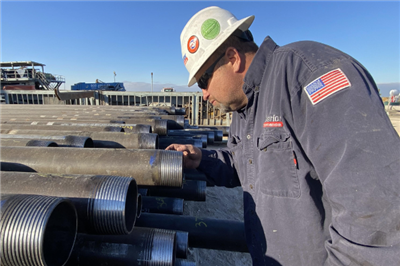
Yes. While the program highlights thread manufacturing, the core principles of gauging and dimensional measurement apply across a wide variety of manufacturing and quality control environments.
Q4. Will This Certification Help Me Move Into a Quality Control Role From a General Production Position?
It can support that move, since the credential validates precision measurement skills that quality control roles specifically look for, though the transition also depends on your broader manufacturing experience.
Q5. Are Professional Credentials From GIPMC Awarded Merely for Attending the Training Course?
No. Assessment is grounded in demonstrated technical capability and real practical competence rather than simple course attendance.
Q6. How Does Earning a GIPMC Credential Compare to Simply Relying On Years of Informal On-the-Job Work Experience?
A calibration certification provides independent verification of your technical ability rather than leaving your skills assumed based solely on time spent on the job, giving employers clear proof of a verified standard.
Q7. How Do GIPMC Credentials Help Technicians Stand Out When Seeking Technical Advancement or Career Growth?
A manufacturing specialist credential gives technicians a clear way to distinguish themselves in a precision-focused field where measurement errors carry real operational costs.