
A business analyst studies organizational processes, gathers requirements, and recommends practical, data-backed solutions. By bridging business goals and technical execution, BAs align project scopes with measurable financial and operational targets. This comprehensive guide covers core BA responsibilities, essential technical skills, global certifications, and a realistic career roadmap.
Every successful project starts with a clear understanding of what a business needs. That crucial understanding usually comes from one professional working quietly behind the scenes, connecting people and processes.
This blog explores what business analysts actually do daily, the skills that make them genuinely effective, and the realistic career path professionals can follow to grow steadily into senior roles.
A business analyst identifies organizational gaps, studies workflows, and proposes solutions that improve efficiency, profitability, and overall business performance across departments and functions.
Here is how business analyst roles are compared to other roles that are often associated with it.
| Role | Primary Focus | Core Output / Deliverable | Primary Tooling |
| Business Analyst | Business process optimization & requirements | FRDs, User Stories, Process Maps | Jira, Confluence, Visio, Excel |
| Systems Analyst | Technical design & architecture alignment | System Spec Documents, API Schemas | UML, Swagger, Architecture Diagrams |
| Data Analyst | Data extraction, modeling & pattern analysis | Dashboards, Statistical Reports | Python, R, SQL, Power BI, Tableau |
Table 1: Business Analyst vs Systems Analyst vs Data Analyst
Business analysts investigate operational challenges, collect data, and translate findings into actionable recommendations. They work closely with leadership and technical teams, ensuring proposed solutions genuinely solve underlying business problems rather than surface-level symptoms.
Common analysis techniques include Strengths, Weaknesses, Opportunities, and Threats (SWOT) analysis, gap analysis, and root cause investigation. These structured methods help analysts prioritize competing business needs and present leadership with clear, well-justified recommendations backed by evidence.
Business analysts operate across industries, including finance, healthcare, retail, and technology. Their versatility allows them to adapt analytical frameworks to different organizational contexts, making this career attractive for professionals seeking flexibility and steady demand.
Some business analysts work permanently within one organization, while others consult across multiple clients through agencies. Both paths offer valuable exposure, though consulting roles often accelerate learning through varied industries and challenges.
Common industries hiring business analysts include:
Daily responsibilities vary by organization, but most business analysts consistently gather requirements, document processes, and communicate findings clearly to diverse stakeholder groups.
Analysts conduct interviews, workshops, and surveys to uncover genuine business needs. They document these requirements using structured formats, ensuring development teams understand exactly what must be built, tested, and delivered successfully.
Poorly documented requirements are among the leading causes of project delays. Analysts who capture assumptions, constraints, and acceptance criteria upfront significantly reduce costly rework during later development and testing phases.
Effective communication keeps projects aligned. Business analysts translate technical jargon into business language, facilitate meetings, and mediate between departments to prevent misunderstandings that could derail timelines, budgets, or overall project success.
Regular status updates, structured meetings, and transparent reporting build trust across departments. Analysts who communicate proactively often prevent scope creep, ensuring stakeholders remain aligned on priorities throughout the entire project lifecycle.
Typical day-to-day tasks of a business analyst include:
Success in this role demands more than technical know-how. A blend of analytical, communication, and business skills shapes truly effective, dependable analysts.
Business analysts should understand data analysis, SQL basics, process modeling tools, and requirements management software. These technical capabilities help them interpret information accurately and present findings that support confident, evidence-based organizational decisions.
Familiarity with tools like Excel, Tableau, or Power BI strengthens an analyst's ability to visualize trends. These platforms turn raw data into digestible insights that support faster, more confident business decisions.
Beyond technical ability, analysts need critical thinking, negotiation skills, and business awareness. Understanding how revenue, operations, and customer experience connect helps them recommend solutions that genuinely align with strategic organizational priorities.
Core skills worth developing include:
Here is a table that summarizes the key competencies that a business analyst must have.
| Competency Area | Essential Skills & Methods | Key Tools & Artifacts |
| Technical Analysis | SQL querying, BPMN process modeling, REST API basics | Relational Databases, Process Mapping Tools |
| Data Visualization | Data reporting, trend analysis, dashboard creation | Tableau, Power BI, Advanced MS Excel (Pivot Tables, VLOOKUP) |
| Requirements Engineering | Requirement elicitation, user story creation, technical documentation | Jira, Confluence, FRDs, PRDs |
| Soft Skills | Active listening, cross-functional negotiation, scope management | Stakeholder Alignment, Change Management Frameworks |
Table 2: Key Skills that a Business Analyst Requires
Most employers expect candidates to combine formal education with practical, industry-recognized credentials. Choosing the right business analyst degree and certification together builds lasting career credibility.
A business analyst degree in business administration, information technology, or finance builds foundational knowledge. However, formal education alone rarely covers practical analysis techniques, which is why structured certification programs remain equally valuable today.
A recognized business analyst certification validates practical skills employers actively seek. GIPMC's Business Analysis Foundation Specialist (BAFS) certification builds core requirements like gathering and stakeholder communication skills, ideal for professionals just starting their analytical career.
A business analyst certification also signals genuine commitment to employers screening large applicant pools. A credential like BAFS demonstrates verified competency, helping candidates stand out during early resume screening rounds.
A strong business analyst resume highlights measurable achievements, relevant tools, and demonstrated impact rather than listing generic job duties and vague responsibilities.
Your business analyst resume should showcase specific projects, quantifiable results, and certifications earned. Mention tools like Excel, SQL, or Jira, alongside measurable outcomes such as reduced costs or improved process efficiency.
Tailoring your resume for each new application matters too. Highlighting industry-specific experience, whether in banking, healthcare, or retail, helps recruiters quickly see relevant alignment with their organization's particular business needs.
Strong resumes typically include:
Many candidates list responsibilities instead of achievements, use vague language, or omit certifications entirely. Avoiding these mistakes, while tailoring content to each job description, significantly improves interview callback rates and recruiter interest.
Business analysis offers a clear growth trajectory, from entry-level documentation work toward strategic leadership roles that shape organizational direction, planning, and long-term decisions.
Professionals typically begin as junior analysts, gradually taking ownership of requirement gathering, process mapping, and stakeholder communication. With experience, they progress toward senior analyst roles handling complex, cross-functional business initiatives confidently.
Experienced analysts aiming for leadership can pursue GIPMC's Professional Business Analysis Leader (PBAL) certification, which develops strategic capabilities in governance, enterprise analysis, and stakeholder leadership, preparing professionals for senior business analysis leadership positions.
Leadership-track analysts increasingly oversee entire analysis functions, mentoring junior staff while actively shaping enterprise-wide strategy. This shift from execution to influence marks a defining milestone in any long-term analytical career.
Salary potential scales directly with hands-on experience, technical skill depth (SQL, BI tools), industry domain expertise, and professional certifications.
Business analyst compensation and responsibilities expand significantly as professionals transition from execution-focused deliverables to enterprise-level decision-making.
| Experience Level | Typical Job Titles | Key Operational Focus | Base Pay Range (in USD) |
| Entry-Level (0–2 Years) | Junior BA, Associate BA, Systems Analyst | Requirements gathering, basic documentation (BRDs, FRDs), user testing support, and process flow mapping. | $65,000 – $85,000 / year |
| Mid-Level (3–5 Years) | Business Analyst, Senior BA, Product Owner | Facilitating stakeholder workshops, owning agile backlogs, system gap analysis, and data-backed decision-making. | $85,000 – $115,000 / year |
| Senior-Level (6–8 Years) | Lead Business Analyst, Agile Lead, Solution Architect | Driving enterprise transformation, strategic governance, change management, and cross-functional project execution. | $115,000 – $140,000 / year |
| Executive / Leadership (8+ Years) | BA Manager, Enterprise Director, Head of Business Analysis | Portfolio strategy, department budget allocation, managing global analysis teams, and executive stakeholder alignment. | $140,000 – $180,000+ / year |
Table 3: Career Progression and Salary Expectation in Business Analyst Career
[Note: The Amount in the expected salary range can vary by region. This is just to give you an idea about how the career progresses]
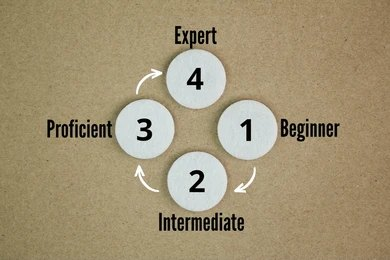
A typical growth ladder in this field will look like this:
Becoming a successful business analyst requires curiosity, structured thinking, and continuous learning. By combining relevant education, practical certifications, and a compelling resume, professionals can steadily build rewarding, long-term careers connecting everyday business strategy with real organizational execution and measurable results.
Ready to strengthen your analytical skills and stand out to employers? Explore GIPMC's business analysis certification programs today and take the next confident step toward becoming a certified, career-ready business analysis professional!
Yes, many successful business analysts come from finance, marketing, or operations backgrounds. Strong analytical thinking and communication skills matter more than a technical degree for entering this profession.
Most professionals transition within six to twelve months by combining relevant coursework, certification, and hands-on project exposure, though timelines vary based on prior experience and chosen industry.
Entry-level salaries vary by region and industry, but beginners typically earn competitive starting packages that grow steadily with experience, certifications, and demonstrated project impact over time.
Not necessarily. While full-stack programming knowledge is not required, business analysts benefit greatly from foundational SQL skills for data extraction and a basic understanding of REST API structures. Core BA responsibilities center on process mapping, documentation, and stakeholder management rather than writing application code.
Yes, many business analysts move into project or product management roles, since both careers share overlapping skills like stakeholder communication, planning, and structured problem-solving abilities.