Generative AI is shifting the modern workforce, driving unprecedented global demand for skilled developers, prompt engineers, and automation specialists. This comprehensive guide details the fundamental mechanics of generative systems, salary trends across core roles, and the precise technical and operational skills required to secure high-paying GenAI jobs.
Artificial Intelligence is actively reshaping how businesses operate in their daily functions. This technological shift has also brought generative artificial intelligence, which has gained a massive boost recently.
From the perspective of jobs, careers in generative AI are expanding with strong demand for roles like Generative AI (GenAI) Engineers, Prompt Engineers, Data Scientists, and Machine Learning specialists. As the field grows, professionals with high problem-solving skills, creativity, and the right credentials in AI workflows will have a competitive edge.
If you are curious about learning about generative AI and want to develop a career around it, then this blog will be perfect for you. Here, we will explore the dynamic employment landscape, examine salary expectations, and figure out how you can design a career for yourself in the generative AI field.
There is a common question that all beginners ask: What is generative AI explained in simple terms. Generative AI is a type of AI create new content and ideas, including conversations, stories, images, videos, and other content.Instead of simply retrieving information from a database, generative AI goes through a distinct two-step process.
There is a common question that all beginners ask: What is generative AI explained in simple terms. Generative AI is a type of AI create new content and ideas, including conversations, stories, images, videos, and other content.Instead of simply retrieving information from a database, generative AI goes through a distinct two-step process.
AI examines a huge amount of existing human-generated content to understand patterns, structure, and relationships.
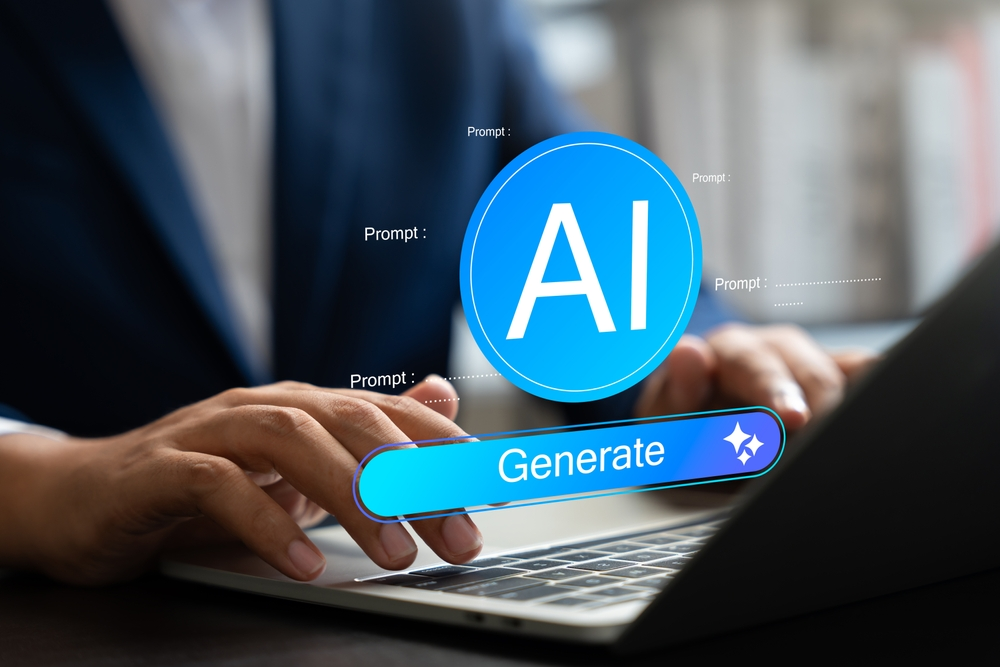
When you give it a command, referred to as ‘Prompt’, it uses what it learned to deliver an original response. Through this predictive process, genAI can create essays, answer customer support queries, or translate languages. Thus, it has become an exceptionally versatile tool that is used in diverse industrial tasks without needing to be redesigned from scratch every time. Now, let’s understand why careers in generative AI are rising.
Generative AI career opportunities in 2026 are massive across different industries. The emergence of GenAI has directly impacted real business, which has opened the door for specialized skills and evolving talent needs. Here is why GenAI Careers are emerging:
According to Hostinger, around 78% of companies have implemented AI technologies, which is a notable increase. GenAI has also been used in optimizing routine tasks, boosting productivity, and assisting businesses in moving faster. With a generative AI certification online, you can showcase your skills across different industries.
Data experts are always in demand to clean, label, and organize huge datasets for training models. GenAI experts solve complicated AI challenges, which drive high demand for specialists. At GIPMC, we offer an exclusive Generative AI Engineering Professional (GAIEP) certification to individuals keen to design, build, and optimize generative AI solutions across different enterprise environments. It provides professionals with the necessary skill sets to develop AI-powered systems, manage model lifecycles, and integrate generative AI into applications, platforms, and business processes.
GenAI engineers are highly compensated tech professionals around the world. The compensation is mainly because of their experience, location, and deep proficiency in specialized AI frameworks.
Companies are open to paying a premium for individuals who have suitable LLM deployment certifications. While compensation depends highly on the geographic location and your previous experience in software, the salaries in the entry-level positions can start with six figures. Roles like senior engineering professionals are getting paid even more.
Here is a table that shows a clear breakdown of the financial landscape in the field of GenAI. However, the average generative AI engineer's salary can vary from location to location and level of experience you have.
| Job Title | Experience Level | Estimated Salary Range (USD) |
| Generative AI Engineer | Mid-level | $140,000 – $195,000 |
| Senior AI Research Scientist | Advanced | $180,000 – $260,000 |
| AI Automation Associate | Entry to Mid | $95,000 – $135,000 |
| Prompt Engineer / AI Strategist | All Levels | $110,000 – $165,000 |
Table: Average Salary in Different GenAI Job Roles
These figures show that investing your time in learning these technologies is rewarding. These skills you are learning today will pave the path for a strong foundation for long-term career stability.
To succeed in a GenAI engineering or related role, mastering the right skills is critical. These GenAI skills for professionals will help you understand the core competencies required for a successful career in the field.
Here are the core technical skills you need:
These advanced GenAI skills will also highlight your proficiency.
Learn more about our Certification for Machine Learning Engineering Professional (MLEP) ideal for mastering machine learning operations. If you are ready to embark on the journey to learn these technical and strategic concepts, exploring structured educational pathways is essential. Discover industry-appreciated AI engineering professional certifications at GIPMC to accelerate your professional journey.
The emergence of generative AI has been responsible for changing the global economy and businesses rapidly. This shifts the employment but creates new career pathways for those proactive enough to adapt. Obtaining structured validation through effective programs, such as an AI automation associate certification, gives you the competitive edge required to land a high-paying role. So, take calculated action today to ensure your skillset remains relevant for the future.
Interested in jumping into this technological revolution in the era of AI? Explore our website to receive an elite AI engineering certification to upgrade your skillset and authenticate your technical skills.
For individuals who already have basic programming knowledge in Python, it typically takes between three and six months of dedicated study to master advanced libraries, API integrations, and model fine-tuning. If you want to know how to get a job in the generative AI field, you can do a structured GenAI certification that can significantly accelerate this timeline.
Whistle Python is the industry standard for AI development. Learning languages such as JavaScript is highly useful for integrating AI models into web applications. In addition to that, C++ is highly regarded in advanced engineering roles.
Yes. Roles such as AI product managers, ethics consultants, and UX designers focus on business strategy and human interaction rather than writing code.
Amazon Web Services, Microsoft Azure, and Google Cloud Platform host the vast majority of enterprise AI models and infrastructure.
The ideal learning path follows a progressive, foundational ladder rather than jumping straight into complex architectures. Beginners should start with foundational data literacy, progress through core coding tools, and gradually advance to deep learning systems and live development environments.