Traditional project management is evolving, especially in the AI-driven market, which means that as an Agile Scrum Master, you need certifications to validate your leadership. Such a certification also future-proofs your career against automation, and unlocks a global average salary that's more than what non-certified professionals get.
The World Commerce and Contracting Association, in its 2024 global annual report, showed that 92% of people agreed with agile adoption being strategically important. In addition, they also reported that 87% of them are already in Agile transformation across their companies.
Considering this demand, to remain relevant in the dynamic and competitive project management market, getting certified as an Agile Scrum Master is essential. Because it validates your expertise, increases your earning potential, and opens doors across industries to lead Agile teams, from software to healthcare to finance.
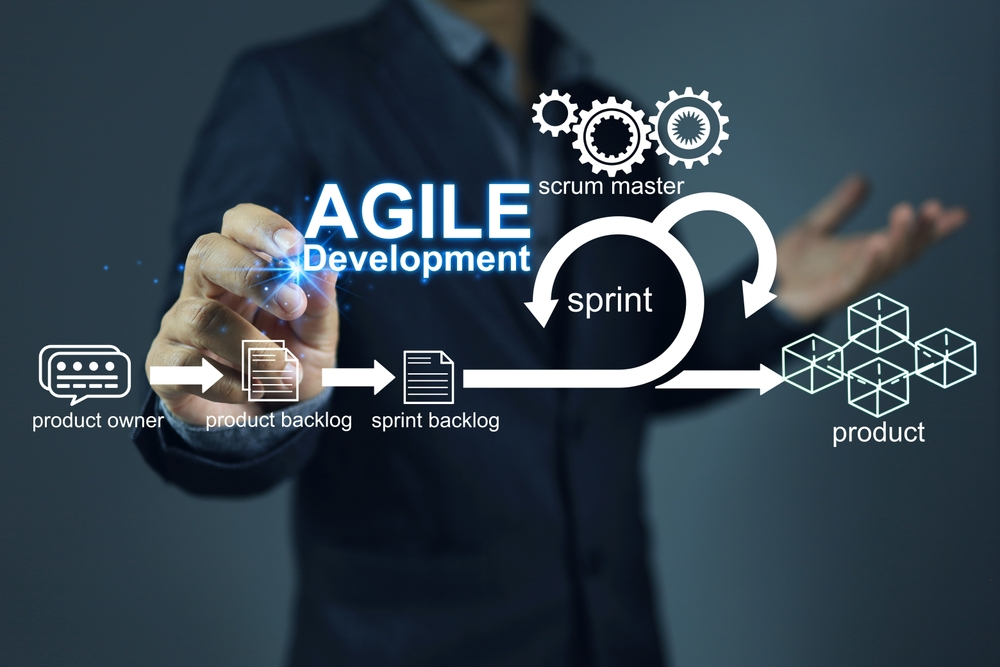
First of all, to understand what is Agile and Scrum, you need to know the difference between them. Agile is a broad philosophy and mindset that establishes iterative development, and Scrum is a specific structured framework or methodology that helps manage the development.
Now, an Agile Scrum Master is a certified professional who acts as a servant leader and coaches teams working with an Agile framework following Scrum principles. They remove obstacles to progress and drive continuous improvement across all projects.
Here are the major reasons to justify why getting certified as an Agile Scrum Master is essential in 2026 and going forward.
Certified Scrum Masters earn more than non-certified peers, and they command an additional salary premium based on their performance. The following table shows the average difference in annual salaries.
|
Experience Level |
Years of Experience |
Average Annual Salary (Global)* |
Certification Impact |
|
Entry-Level |
0–2 years |
$65,000 – $85,000 |
The ADP certification by GIPMC can be effective in securing higher annual salaries. |
|
Mid-Level |
3–7 years |
$95,000 – $125,000 |
The BSMC or PSLE certifications at GIPMC are ideal mid-level certifications impacting asking salaries. |
|
Senior-Level |
8+ years |
$140,000 – $175,000 |
SAPC certifications offered by GIPMC help secure top senior-level jobs with higher-end salaries. |
|
Global Average |
All levels |
~$108,000/year |
Range: $65K–$210K+ based on industry, tech stack, and location. |
*Salaries are approximate estimates that can differ based on region and company
Global organizations state Scrum Master certifications to be among the most-requested professional credentials. Agile and Scrum are also the top-ranking in-demand leadership skills.
Agile is no longer limited to IT. Its requirements span multiple industries, including healthcare, finance, education, manufacturing, and government. Because certification proves cross-functional leadership alongside technical fluency. The table below shows which industries need Scrum Masters.
|
Industry |
Why Scrum Masters Are In Demand |
Sample Roles |
|
Information Technology |
Agile software delivery at scale; DevOps integration |
Scrum Master, Agile Coach, Release Manager |
|
Banking & Finance |
Regulatory agility; faster product iterations |
Agile Delivery Lead, Digital Transformation PM |
|
Healthcare |
Clinical project management; faster diagnostics rollout |
Healthcare Scrum Master, Clinical PM |
|
E-Commerce & Retail |
Rapid sprint cycles for product updates and marketing |
Digital Project Lead, Agile PM |
|
Government & Public Sector |
Modernization initiatives; cross-department collaboration |
Program Delivery Manager, Agile Advisor |
|
Manufacturing |
Lean-Agile integration; supply chain agility |
Operations Scrum Master, Process Improvement Lead |
Table 2: Industries that Need Certified Scrum Masters
AI and automation have been changing workflows, but they are majorly helpful in strengthening Scrum Masters' roles. So, AI won't eliminate your role; it can enhance the extent of your role. Organizations that deploy DevOps with AI need Scrum Masters to align cross-functional teams.
Certifications connect you with the global network of practitioners. You get access to higher education that applies to current working standards and become globally-accredited yourself. Join programs with agencies like GIPMC to meet the global Scrum competency standards.
Here's what Agile Scrum Masters should be aware of:
There are multiple certificates related to Agile Scrum that you can apply for. Here's how to do it.
Agile is not just a methodology; it's the new language of competitive organizations. To be able to meet those standards, you should get a certification to make sure your skills speak for you.
GIPMC's globally accredited certifications can train you to learn Agile and Scrum at the same time! Enrol in our programs today and get the practical framework knowledge and career positioning to lead Agile teams with confidence.
Most candidates complete the structured training and pass the online proctored exam within two to four weeks, depending on their chosen self-paced or instructor-led module.
Yes, to maintain global competency standards, practitioners typically earn Professional Development Units (PDUs) or renew their credentials every three years to stay current with evolving frameworks.
Absolutely. Since the role focuses on coaching and removing obstacles, individuals from teaching, management, or operations often excel by leveraging their transferable soft skills and leadership.
Project Managers often focus on timelines and budgets through a top-down approach, whereas Scrum Masters act as servant leaders who facilitate the Scrum process and empower self-organizing teams.
Yes. Since Scrum ceremonies and team facilitation can be conducted virtually, it is one of the more remote-friendly roles in project management. Certified professionals increasingly take on freelance or contract engagements across global teams.