
IT Asset Management (ITAM) is the process of tracking and managing all IT assets, including computers, software, and network equipment. How does that work for a business? And what exactly is the role of an IT asset manager? In this blog, all of these aspects will be explored, including how they are beneficial for companies and the skills you require to become an expert in this role.
IT Asset Management, or ITAM, means the process of tracking, managing, and optimizing the IT assets of an organization. In this process, the asset management is conducted throughout the entire lifecycle of each asset, from procurement to retirement.
The primary tasks in managing IT assets include keeping an inventory of all the assets of an organization and understanding their lifecycle. ITAM also focuses on ensuring that the assets of a company are used efficiently. It, therefore, helps organizations save money, ensure continued compliance, and mitigate potential risks.
Why is IT asset management important? There are several reasons that information technology asset management is crucial. It helps organizations with the management of financial assets by ensuring that they only buy what is necessary. This essentially prevents the organizations from overspending.
It also helps organizations stay compliant with software licenses and reduces the risk of any legal issues that they might face. Additionally, ITAM also improves efficiency by ensuring that all the assets are well-maintained and replaced when needed. This is incredibly relevant to reducing downtime and boosting productivity.
Having discussed what asset management for IT is, let’s now look into what an IT asset manager is:
Simply put, an IT asset manager is the one with the major IT asset management roles and responsibilities. But, in more detail, the IT asset manager is responsible for managing all hardware and software resources within their business. They also design, develop, and implement the most effective asset management strategy.
In IT, what does an asset manager do? An IT asset manager essentially oversees the entire life cycle of an organization’s IT assets, starting at acquisition and all the way to disposal.
The IT asset management job responsibilities and roles are usually vast. Some of them include the maintenance of accurate records, inventory management, and the assurance of compliance with licensing agreements.
So, having discussed the asset management position description, let’s look into what can be included in the roles and responsibilities of an IT asset manager.
The role in an IT asset management job description includes overseeing and managing the organization’s IT assets. Their primary job is to keep track of all hardware and software, ensure that everything is properly licensed, and manage asset life cycles.
They also work to optimize the use of assets and reduce costs. Essentially, they ensure that the organization’s IT assets are well-organized and are used effectively. They also ensure that the organization’s technology assets are effectively utilized and support the overall business goals.
An IT asset management certification course can be the ideal way to understand the roles of the manager and how the position is best utilized.
So, if you are looking to learn how to best utilize the IT assets of the organization, our ISO 22301:2019 BCMS- Certified Lead Auditor (CLA) course can be perfect for you.
The IT asset management job responsibilities can be simply noted as ensuring the appropriate tracking and utilization of all technology assets in an organization. However, to get into the key details of what the responsibilities of such an asset manager are, here is a list of the key tasks they need to undertake:
The management of the life cycle of an asset involves overseeing it from the moment it is purchased to when it is retired. This includes steps such as planning, procurement, maintenance, upgrades, and disposal.
Also, by efficiently managing the lifecycle, the company can maximize the value of the investments it undertakes. This can be described as an important responsibility in information technology asset management.
One of the most important IT asset manager job duties is software license management. It is this way that the manager ensures compliance with legal requirements. This implies keeping track of the total number of permits that the company owns and how many are in use. Moreover, proper management also prevents overspending on unnecessary licenses and can help avoid fines or penalties for non-compliance.
Asset management in IT makes strategic planning crucial, and an IT asset manager has a key role to play in it by providing accurate insights into the company’s IT assets. This responsibility includes the analysis of data to help make informed decisions about future investments, upgrades, and asset retirements.
Their inputs also help align IT strategies with the overall goals of the organization, and ensures that technology supports business growth.
One key responsibility in an asset management job profile is ensuring that the organization complies with relevant laws and regulations. This includes the evaluation of adherence to software licensing agreements and data protection laws. The IT asset managers also identify and mitigate the risks related to IT assets, including security vulnerabilities, that protect the company from potential threats.
Another critical responsibility in asset IT management is managing relationships with vendors and handling the contracts. The process here involves negotiating terms while also ensuring that the vendors meet their obligations, and renewing or terminating contracts when necessary. Moreover, effective vendor management will help the company get the best value from its suppliers and avoid disruptions in services.
Here are certain IT manager skills that you must have that will help you become an expert in the IT asset management field. A certified IT asset manager will require key skills such as:
These are all skills that are extremely crucial in ICT asset management. They ensure that roles and responsibilities can be properly undertaken. Thus, to become a certified IT software asset manager, you will need to master these qualities and establish this role as your future professional aim.
Here is a look at the benefits that are offered by an IT asset manager to an organization. So, when considering how to do IT asset management, it is these benefits that you need your role to effectively implement:
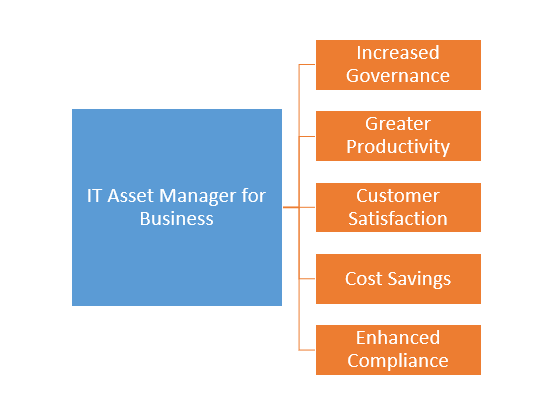
An expert on asset management in tech can help with improved governance. And, with better governance, your business can set proper policies and enforce them, especially in terms of the usage of IT assets. So, what does an asset manager do in this situation? An IT asset manager ensures that the assets are used according to company guidelines and any deviations from it are addressed quickly.
When the assets are managed effectively, employees will have the tools that they need to perform their job roles effectively. Moreover, an IT asset manager will also ensure that all the assets are up-to-date and accurately functioning, thus minimizing disruptions and downtime.
The ideal IT asset management strategy is designed to deliver better services to customers. An IT asset management analyst or simply an asset manager will help ensure that the technology supporting customer interactions can be reliable and efficient. This implies faster response times, fewer technical glitches, and an overall smoother experience that leads to higher customer satisfaction.
An IT asset manager is effective at helping businesses save money by tracking and managing their assets effectively. In this context, knowing what assets you have and how they are being used can help you avoid unnecessary purchases and reduce maintenance costs. Therefore, the IT asset management services are rendered with smarter spending and better budgeting. Ultimately, companies are able to save more costs.
With the help of IT asset partners, compliance with industry regulations can become significantly easier. It will also help you track when the licenses need renewal and make sure that every software the organization uses is appropriately licensed. This leads to a lesser risk of costly fines and legal issues. Thus, your business receives peace of mind.
Furthermore, to understand how data governance, regulatory compliance and cost protection can work together, enroll into our Data Governance & Privacy Manager (DGPM) Course.
Becoming an IT asset manager is not an extremely difficult task. As long as you properly learn the roles and responsibilities, it is something that you can very validly consider! So, start preparing for the certification today!
For this career path, you can consider enrolling in our IT Management Leadership Professional (ITMLP). This certification can be essential to you in the long run.
By centralizing data, ITAM reduces time spent manually tracking inventory, and it streamlines IT support requests. Thus, it improves the overall procurement process.
An IT asset manager helps identify the secure “ghost” assets, manage software patching, and ensure that the data from retired hardware is securely wiped.
Some of the common tools that are used by IT asset managers include ServiceNow, BMC Remedy, ManageEngine, and Lansweeper.
Many instances of ITAM include tailored software that helps organizations automate the asset management operations. Such software also ensures improved reporting of IT assets and ensures full visibility and compliance across the network.