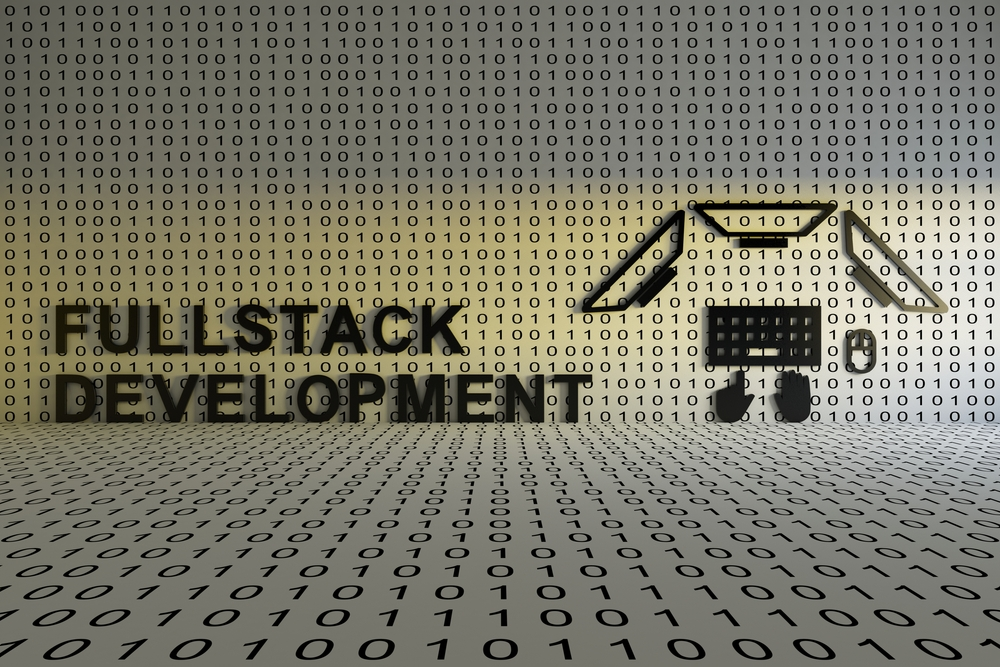

A versatile software engineer, a full-stack developer is proficient in back-end and front-end development, and capable of developing complete web applications. They work with technologies, such as CSS, HTML, and databases, to manage the entire app-building cycle.
Full-stack web development is an advanced, comprehensive process developing both the front-end and back-end of websites. From developing e-commerce websites to social media applications - this is a high-tech game-changer.
Here, we explore the roles and responsibilities of full-stack developers, key trends, and how to become a full-stack developer.
So, what is a full-stack developer? How important are they in 2026?
As an IT professional, a full-stack developer’s responsibility is to develop useful applications for both the client-side (front-end) and server-side (back-end) of websites. Tech industries in 2026 rely on their knowledge in designing, developing, and deploying applications that can effectively manage user interface and databases.
On an important note, with the emergence of AI-based software development, machine learning models and AI-based APIs have been a pivotal part of full-stack development. It extends the conventional process of web development and makes full-stack developers an integral player in modern, scalable applications.
So, what does a full-stack developer do? Here are some key aspects of their roles and responsibilities:
Full-stack developers use technologies such as CSS3, HTML, and several frameworks (Vue, React, or Angular) to design and implement user-facing interfaces. Alternatively, APIs (RESTful/GraphQL) development and the integration of third-party services with Java, Python, or PHP are their primary responsibilities regarding back-end development.
Full-stack website development is based on designing and managing storage solutions for data, and developers, in this regard, use SQL databases (PostgreSQL, MySQL) or NoSQL databases (MongoDB). Moreover, their job also involves developing and connecting client-side applications with server-side logic in order to manage data requests.
Another key responsibility of a full-stack developer is managing the entire software development life cycle (SDLC), starting from conception to deployment and maintenance. They design front-end user interactions, build back-end server logic, and manage the structures of databases. They also perform testing and debugging functions. Furthermore, their role ensures stability, scalability, and agile, rapid development.
Learn the core differences between software development and system development lifecycle.
Here are some of the key trends influencing the industrial approach of full-stack developers in 2026.
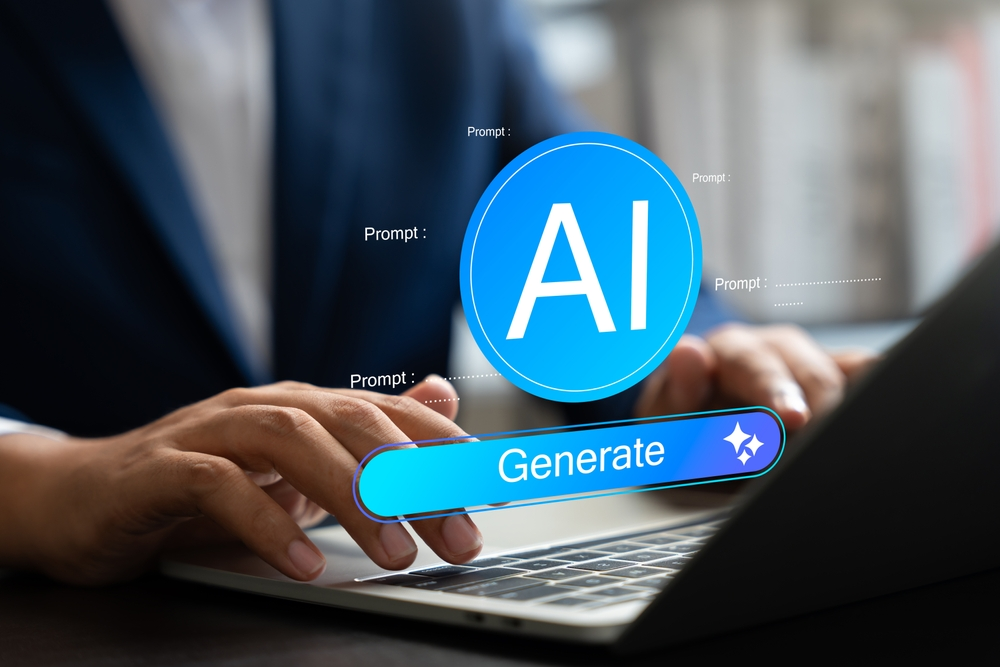
From an additional advantage to a “must-have” one - AI has come a long way. Full-stack developers now use tools like Google Codey and GitHub Copilot for real-time coding, detecting security challenges and bugs, and developing functions from basic prompts.
Looking at a few key examples, scaffolding entire applications benefits from AI, since, instead of hours, developers can provide results in minutes.
In 2026, full-stack developers prioritize developing Application Programming Interfaces (APIs), instead of applications. With this, back-end and front-end teams work simultaneously, and product-launching is now faster than ever.
Alternatively, major modern e-commerce organizations have started to incorporate headless systems. Using the same backend APIs, these can provide content to mobile applications and websites.
Edge computing is advantageous in instant responding to users. In this regard, developers prioritize technologies like WebSockets and Apache Kafka for real-time analytics and live-tracking with chat-based applications.
For example, patient data is now processed locally in healthcare devices, generating faster alerts. Due to this, the system does not need to rely on the cloud server
BLS Research shows that between 2024 and 2034, the job opportunities for full-stack development is supposed to increase by 15%. So, full-stack developers now experience a high demand due to the evolving tech industries and their versatility, useful in every aspect of web application development.
So, how can you secure your employment as a full-stack developer? What are the skills and knowledge you need to succeed and explore the global market opportunities?
Here are our suggestions on how to become a full-stack developer:
| Building Blocks | Significance |
| HyperText Markup Language (HTML) | Defining content and structure in webpages, with elements like paragraphs, links, and images. |
| Cascading Style Sheets (CSS) | Makes HTML structures appealing, and through this, you can adjust fonts, colors, and positioning following different screen sizes. |
| JavaScript | Developing interactive and dynamic web experiences. It helps in changing content and transforming images, as per requirements. |
Table 1: Three Basic Building Blocks You Should Know
Learn how to create content for users to see and interact with. In this regard, learn about some front-end frameworks, such as Svelte, React.js, Angular, and Vue.js.
Here are some key facts you should know regarding front-end development:
In cases of back-end development, you need to know about APIs, server-side logic, and databases that empower applications and websites. Here are some leading server-side programming languages that can help you proceed in your career pathway - how to become a stack developer.
The foundation of contemporary web applications, database management is a key aspect of your professional growth as a full-stack developer. Knowledge of data storage solutions improves the performance, user experience, and scalability of applications.
To become a full-stack mobile app developer, you need to know about two important types of databases - SQL (relational database) and NoSQL (non-relational database). Know when to use them, as per requirements.
Here’s when SQL databases work the best for applications:
Note: Microsoft SQL, MySQL, and PostgreSQL are some of the best solutions for SQL.
Here’s when you need NoSQL to use the following project requirements:
Note: Cassandra, MongoDB, and Redis are some of the popular NoSQL options.
Knowledge and skills regarding version control and development are essential, since they will boost your compatibility in teamwork and optimize coding processes.
In this context, Git emerged as a standard version control system because of its distributed nature and powerful features. With Git, you can return to previous versions and track changes in the codebase. In the applications of Git, not only can you work offline, but you can also make quick decisions.
A full-stack developer in 2026 is expected to know GitLab or GitHub - some of the key platforms with specialized features for team collaboration and project management.
Here’s a list of tools that can improve your ability and skills in version control and development:
An essential transformation, DevOps - you should know to become a successful and competitive full-stack mobile app developer. Here are some key ideas you should be aware of:
In cases of deployment, here are some strategies you should know:
Contact GIPMC for DevOps Foundation Analyst (DOFA) certification, and stay ahead in the current competitive full-stack development job market.
Since the idea of application development has altered significantly, improve your AI skills to become a successful full-stack developer. Make sure that your knowledge and skills in APIs and AI complement the stack.
Check the table below to know about some key aspects of AI skills and software development:
| Key Aspects of Using AI for Software Development | Significance |
| Machine Learning Integration | Consider some pre-trained models like Hugging Face or TensorFlow.js to experience features like natural language processing, image recognition, and sentiment analysis. |
| Intelligent User Experience | Be skilled at using AI-based features, such as chartbots and predictive interfaces. |
Table 2: Key Aspects of Using AI for Software Development
Opt for GIPMC’s AI API Integration Specialist (AAIS) certification to improve your AI and API-oriented skills to succeed as a full-stack developer.
Full-stack frameworks unify development ecosystems with previous learning, which makes the development of web applications easier. The integrated tools, in this regard, help manage back-end and front-end development, working together.
Full-stack frameworks ensure smooth communication between client and server, while teamwork can also be improved. Moreover, a full-stack framework depends on project requirements, development budget, and expertise, and makes sure the target audience is clear and concise.
Read this blog if you are still looking for guidance on how to crack a full-stack developer interview.
Visit our website to find the most suitable certifications and guidance. Opt for the best ones, and experience global job opportunities with a multi-industry approach.
MEAN and MERN stacks are two popular open-source JavaScript technology stacks that are used for developing full-stack web applications. Both of these share the same back-end technologies, including Node.js, MongoDB, and Express.js, but in the front-end, MERN uses React, and MEAN uses Angular.
A RESTful API, using standard HTTP methods, is an interface enabling data exchange and communication between computer systems. It follows a particular set of architectural principles that make it a standard option for developing scalable, modern, and efficient web services.
Well, you can follow news websites, tech blogs, and forums talking about web development. Moreover, joint platforms like LinkedIn and Twitter connect experienced developers and follow their insights.
Well, there’s no conventionally best language for full-stack developers. It depends on scalability, project requirements, performance, and expertise. The popular languages include Python, JavaScript, and Ruby.
Yes, absolutely. The tech industry heavily prioritizes practical skills, portfolios, and problem-solving abilities over formal degrees. Many successful full-stack developers are self-taught through online resources or are graduates of specialized coding bootcamps. Building real-world projects, contributing to open-source software on GitHub, and securing professional certifications are highly effective ways to prove your capabilities to employers.